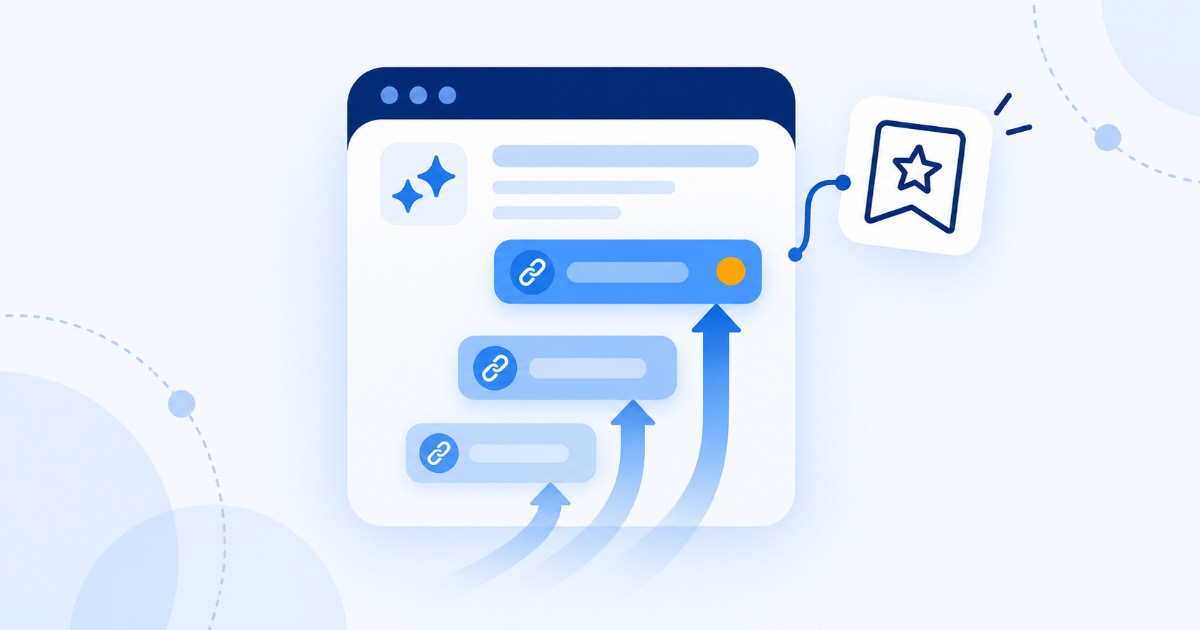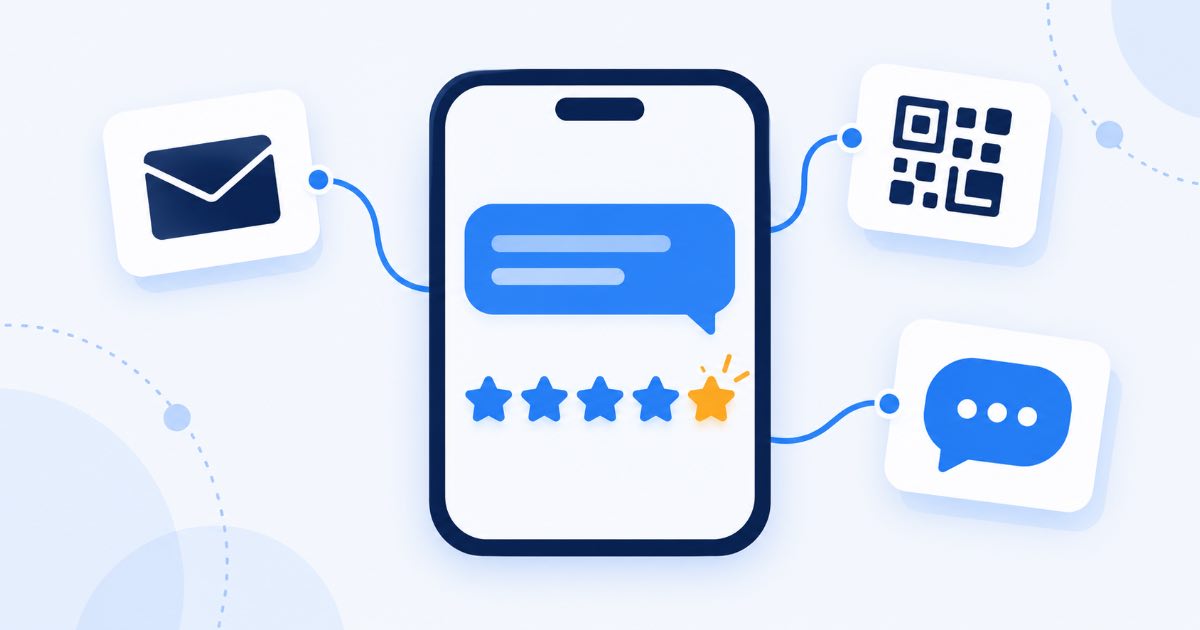

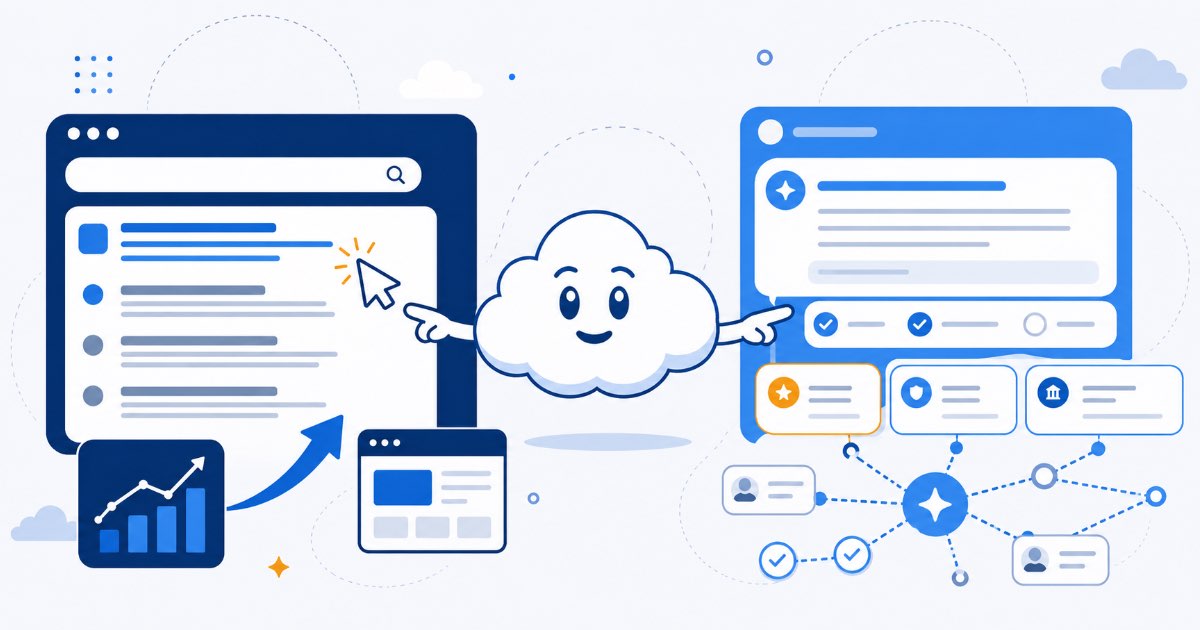
SEO (Search Engine Optimization) improves your position on search results pages so people click through to your site. AEO (Answer Engine Optimization) gets your brand named and cited inside the answers that AI assistants like ChatGPT, Gemini, and Perplexity generate. SEO wins clicks. AEO wins mentions. In 2026 you need both, and this article shows you how to split the work.
What is SEO?
SEO is the practice of earning visibility on search engine results pages. You research the keywords your buyers type, publish pages that satisfy those searches, fix the technical issues that block crawling, and build authority through links and mentions. Success looks like a ranking: your page sits in the top results, people click, and you measure the traffic in Search Console.
The model has run for two decades and it still works. Organic search remains the largest traffic source for most business websites, and Google processes billions of searches a day.
What is AEO?
AEO is the practice of becoming the source that answer engines cite and recommend. When someone asks an AI assistant "which agency should I hire for X" or "what is the best tool for Y", the assistant names two to five brands and moves on. AEO covers everything that puts your brand in that shortlist: extractable content structure, schema markup, a consistent brand entity across the web, and mentions on the third-party sources AI systems trust.
The stakes grew fast. Google's own AI features guide confirms that AI Overviews now sit on top of a large share of searches, and independent studies put that figure near 45 percent of queries, with click-throughs to websites dropping by as much as 58 percent when an Overview appears. Fewer clicks reach any website. The brands named inside the answer take what remains.
SEO vs AEO: the key differences
| SEO | AEO | |
|---|---|---|
| Goal | Rank on the results page | Get cited inside the answer |
| Where you win | Google and Bing results | ChatGPT, Gemini, Perplexity, Copilot, AI Overviews |
| Unit of competition | Ten organic positions per page | Two to five citations per answer |
| Main levers | Keywords, links, technical health | Extractable structure, entity consistency, trusted mentions |
| Traffic model | Clicks to your site | Brand recall, direct visits, AI referrals |
| Measurement | Rankings, impressions, clicks | Citation rate and share of AI voice across assistants |
| Time to results | Three to twelve months | Two to six months for structural wins; longer for entity authority |
Where the two overlap
The overlap is larger than most comparisons admit. Google states plainly that its AI features run on the same core ranking systems as regular search, so the fundamentals feed both channels:
- A crawlable, fast, semantically structured site;
- Content that answers real questions with first-hand expertise;
- Named authors, honest sourcing, and visible dates;
- Authority earned through links and mentions on respected sites.
Strong SEO is the foundation AEO builds on. A site that ranks nowhere and earns no mentions gives an answer engine nothing to trust. The reverse also holds: the structural habits AEO demands, like direct answers and clean heading hierarchies, tend to lift traditional rankings too.
Which one should you focus on?
Split by situation rather than by trend:
- Local and service businesses: keep SEO first. Map results and localized pages still drive calls, and assistants lean on the same local data. Add AEO basics: schema, consistent listings, and review presence.
- SaaS and ecommerce: run both from day one. Buyers ask assistants for shortlists, and a comparison query answered without your brand is a deal you never saw. Publish comparison content, keep pricing readable, and track citations monthly.
- Publishers and content businesses: weight toward AEO structure. Your pages are exactly what answer engines quote, so extraction-friendly formatting protects the traffic that Overviews would otherwise absorb.
According to the Princeton GEO study presented at KDD 2024, pages that cite sources gained around 40 percent more visibility in AI answers, and adding statistics gained around 37 percent. Both tactics cost little and also improve the page for human readers, which is why we treat them as default practice rather than optional polish.
Frequently asked questions
Is AEO replacing SEO?
No. AEO extends SEO into a new surface. The same crawl, the same content, and much of the same authority feed both. What changes is the finish line: a ranking on one side, a citation on the other.
Do I need separate content for AI?
No, and Google warns against it. Write one version for people, structure it clearly, and both readers and machines can use it. Duplicate "AI versions" of pages risk spam penalties and waste your time.
How do I measure AEO?
Ask the major assistants your top twenty buyer questions each month in fresh sessions, then log which brands get named and which sources get cited. Tools like Otterly and Peec AI automate the tracking once the manual habit proves its value.
How long does AEO take to show results?
Structural fixes such as schema, answer-first formatting, and FAQ blocks can surface in AI answers within weeks because assistants read the live web. Entity authority, the part that gets you recommended rather than merely cited, compounds over months of consistent mentions.
The bottom line
Choose SEO or AEO the way you would choose between a storefront and a phone line. One captures people who walk past, the other captures people who ask around, and a business needs both conversations covered. Start with the shared foundation, add the extraction layer, then measure your presence inside AI answers with the same discipline you already apply to rankings. For the step-by-step version of that extraction layer, read our AEO playbook for getting cited by AI, or request a free audit and we will show you where your brand stands in both channels today.