
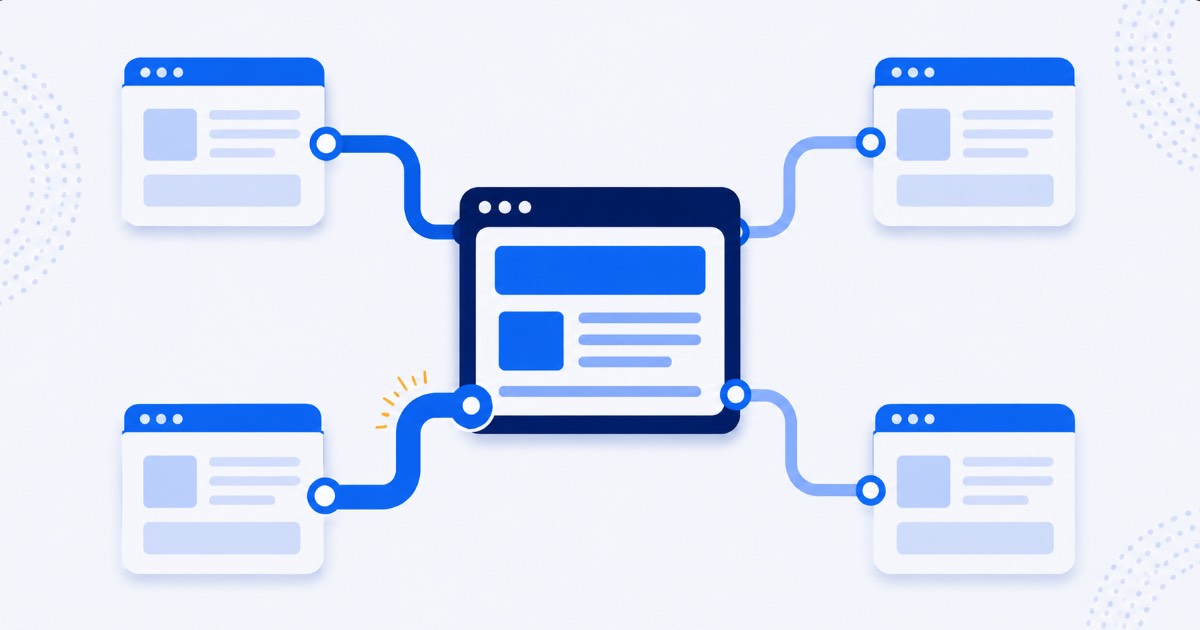
A backlink is simply a link from someone else's website to yours. Search engines treat them as votes: if credible sites keep pointing to your page, it is probably worth ranking. That logic has survived every algorithm change for twenty-five years because it exploits something no website can fake alone, which is other people's judgment. But not all votes count equally. One editorial link from a respected industry publication can outweigh hundreds of directory listings, and links bought in bulk can actively damage the site they were meant to help. Here is what separates them, and how businesses genuinely earn the good kind.
Why links became the backbone of search
Early search engines ranked pages by what those pages said about themselves, which anyone could manipulate in an afternoon. The breakthrough was measuring what the rest of the web said instead. A link is a costly signal: someone had to decide your page deserved their readers' attention, and put their own credibility behind it.
Two and a half decades later, links remain among the strongest ranking signals, alongside content relevance and technical health, precisely because that cost persists. Content you control. Technical work you control. Links require someone else to agree, and that is what makes them worth something.
What makes one link worth more than a hundred
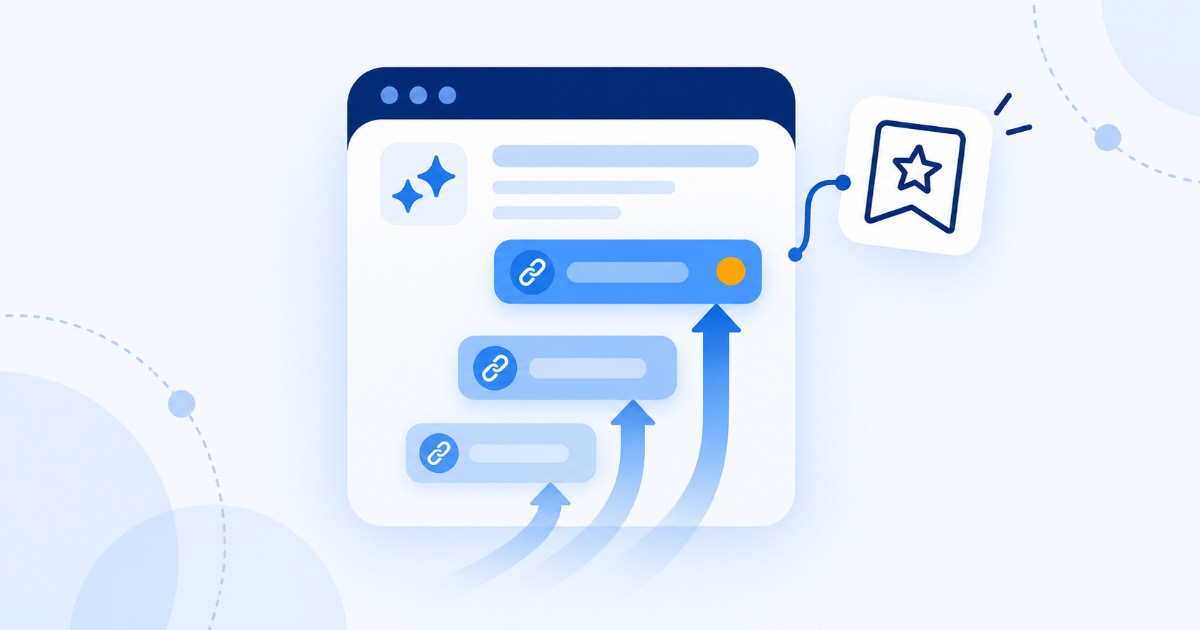
- Authority of the linking site. A link from a trusted publication carries weight a brand-new blog cannot. Authority itself was built from links, so influence flows downhill.
- Topical relevance. A link from a site in your field tells search engines something meaningful. A link from an unrelated site tells them almost nothing, however impressive its traffic.
- Editorial intent. Links given inside real content, because the writer chose to reference you, outrank links placed in footers, author bios, and paid slots.
- Placement and context. A link surrounded by relevant discussion, high in an article people actually read, beats one buried in a list of forty resources.
- Followed or nofollow. The nofollow attribute tells search engines not to pass authority. Directory, social, and press release links usually carry it, which is exactly the mechanic behind our guide to what press releases actually do for SEO.
- Anchor text, in moderation. The words in the link give context. Natural variation is healthy; the same keyword phrase repeated across hundreds of links is the fingerprint of manipulation.
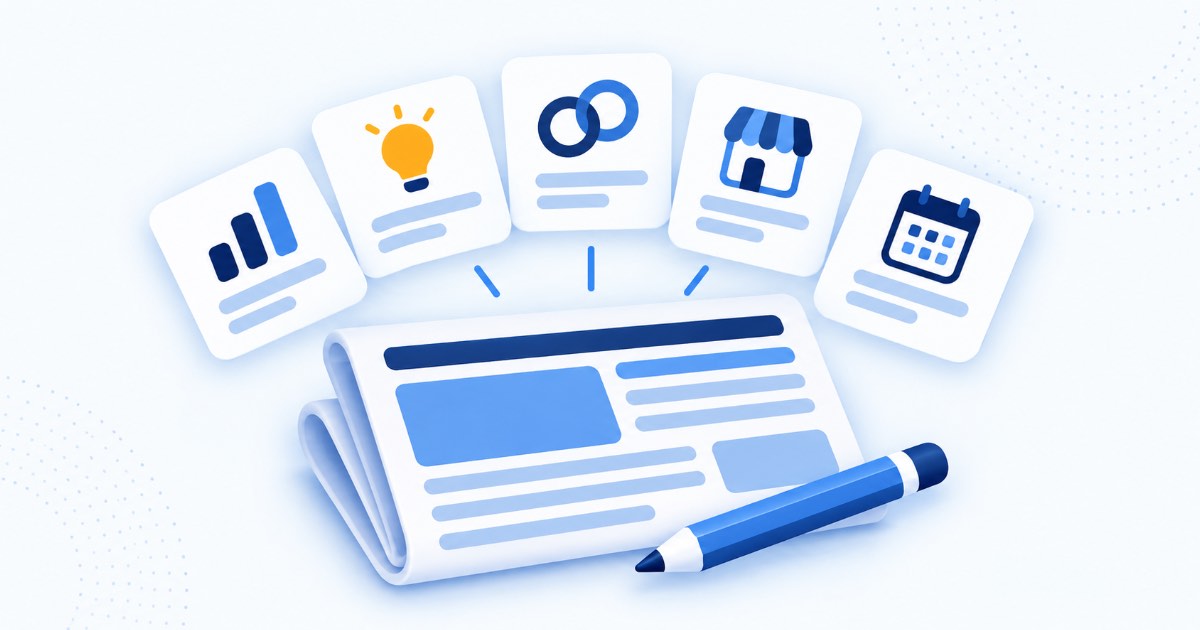
Seven ways businesses actually earn links
1. Publish original data
Surveys, benchmarks, and analyses of your own numbers are the single most linkable asset a business can produce, because writers need statistics and must credit whoever produced them. One good study can earn links for years.
2. Build something useful and free
Calculators, templates, and tools get referenced far more than articles do, because they solve a problem in one click. Utility is quotable in a way that opinion is not.
3. Become a source for journalists
Reporters need expert commentary on deadline, and the experts who answer fast get quoted with attribution. This is the mechanism behind our guide to writing a press release that gets coverage: the release is a pitch, the coverage is the link.
4. Write the definitive page on something narrow
Comprehensive resources on specific questions attract links passively for years, because writers link to the best explanation rather than write their own.
5. Contribute genuine expertise elsewhere
Guest articles, podcast appearances, and expert roundups still work when the contribution is real. They stop working the moment they become mass-produced placements, which is the difference between a byline and a link scheme.
6. Earn local and community links
Chambers of commerce, sponsorships, event partners, and local press are underrated, hard for competitors to replicate, and doubly valuable for the local visibility covered in our Google Maps checklist.
7. Reclaim mentions you already have
The fastest wins in link building are usually already sitting there: places that mention your brand without linking, broken links pointing to old pages of yours, and coverage where a polite email is all that stands between a mention and a link.
The links that hurt
Google's spam policies define link schemes as any links intended to manipulate rankings, and the enforcement is algorithmic and continuous. The patterns that draw it:
- Bought links in any dress: sponsored posts without disclosure, "guest post packages", or paid placements on link-selling sites;
- Private blog networks, which are simply bought links with extra steps and a familiar footprint;
- Reciprocal link exchanges at scale, where two sites agree to trade rather than earn;
- Mass directory and comment links, which are ignored at best and toxic at worst;
- Over-optimized anchor text, the loudest signal of all, since natural links rarely repeat one commercial phrase.
The economics are worth stating plainly: the entire value of a link comes from being an unbought endorsement. Buying it destroys the property you were paying for, and leaves the risk behind.
How links and AI visibility connect
Assistants do not count links the way search engines do, but they lean on the results those links produce. Retrieval reads pages that rank, and ranking is partly earned by links, so link building quietly determines which of your pages ever get read by an assistant. Better still, the activity that earns links, coverage, mentions, original data, is the same activity that teaches models who you are, as explained in where AI answers come from. One effort, two channels.
Frequently asked questions
How many backlinks do I need to rank?
There is no number. What matters is your link profile relative to the pages currently ranking for your target query, which is why competitive analysis beats arbitrary targets. Ten relevant editorial links can outperform a thousand irrelevant ones.
Do nofollow links have any value?
Yes, just not ranking authority. They deliver traffic, brand visibility, and the consistent mentions that strengthen how search engines and AI systems understand your business. A natural profile contains plenty of them.
Should I disavow bad backlinks?
Rarely. Google ignores most spam links automatically, and the disavow tool is a specialist instrument, mainly for sites with a manual action or a history of paid links. Random spam links arriving on their own are normal and best left alone.
How long do backlinks take to affect rankings?
Weeks to months: the linking page has to be crawled, the signal has to be weighed, and effects show gradually rather than overnight. This is one reason SEO runs on the timelines described in our honest guide to how long SEO takes.
The bottom line
Backlinks still decide who ranks because they measure the one thing you cannot manufacture alone: other people choosing to point at your work. Every legitimate tactic above is a variation on the same instruction, which is to make something worth pointing at and then make sure the right people see it. If you want to know which links your competitors have that you do not, and which of the seven routes above would move fastest for your site, request a free SEO and AEO audit and we will show you the gap and the plan to close it.