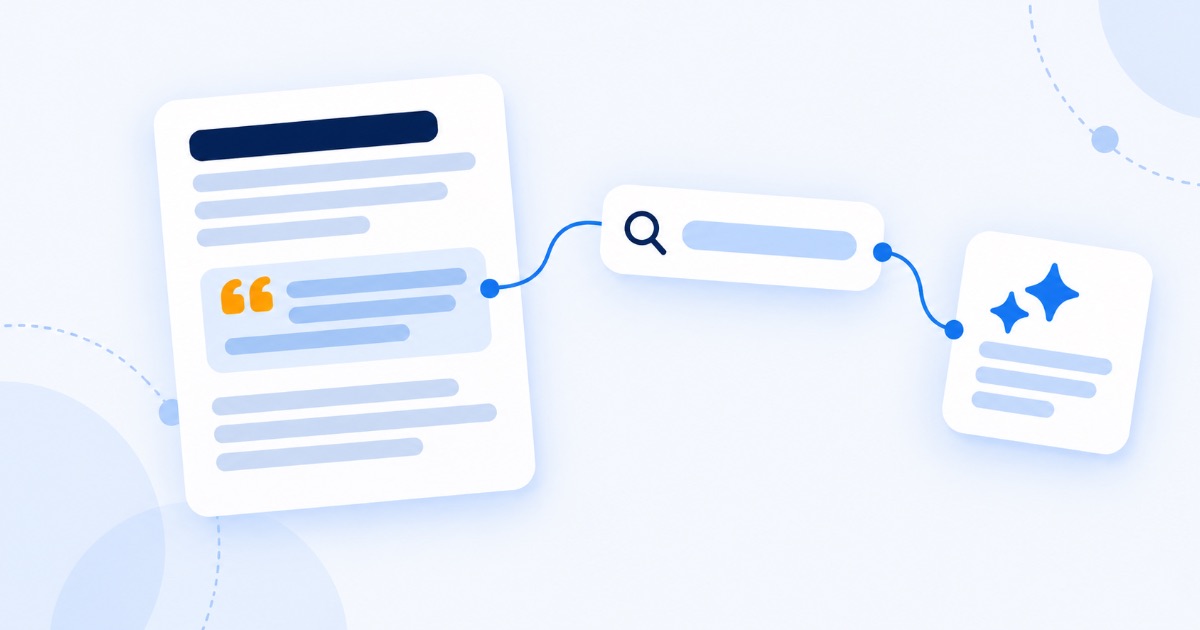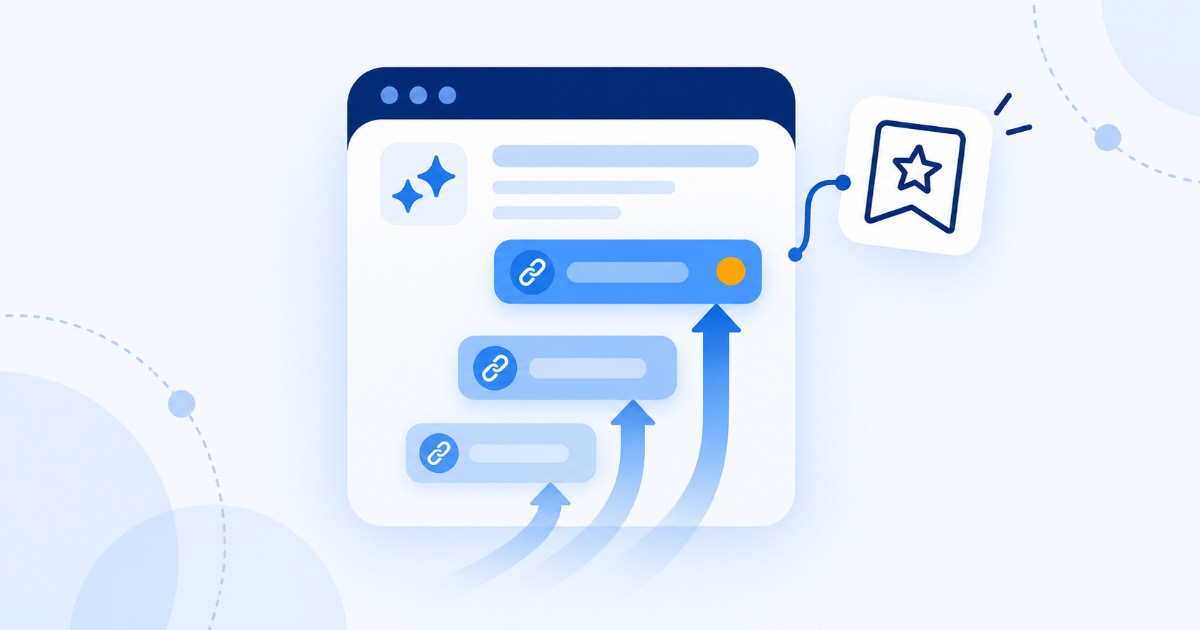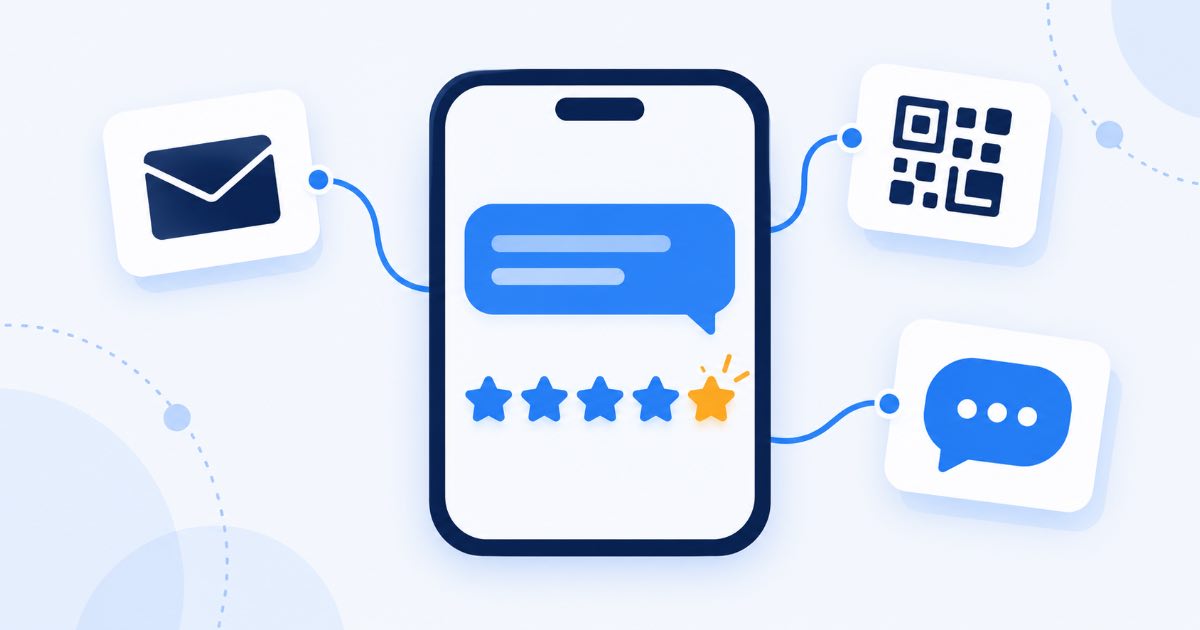

There is a difference between being cited and being named, and most businesses winning at one are losing at the other. Research published by Semrush in 2026 with SEO researcher Kevin Indig found that roughly 62% of AI citations are what Indig calls ghost citations: the assistant uses your page as a source, attaches a link in the footnotes, and never mentions your brand in the answer the reader actually reads. Only a small minority of appearances produce both a citation and a brand mention. If your AI visibility reporting counts citations alone, it is measuring the achievement that matters least.
The mechanism that makes this worse than it sounds
The intuitive assumption is that citations lead to mentions: get quoted enough and eventually the assistant names you. Analysis by Seer Interactive across hundreds of thousands of assistant responses suggests the causality runs the other way. The model composes its answer first, drawing brand names from what it already knows, then retrieves sources to support the claims it has already made. Your page is appended as evidence for a recommendation that was decided before your page was opened.
The data signature backs this up. In that research, when a brand was mentioned in a response, its citation rate rose sharply; when it was not mentioned, citation rate collapsed to a fraction of that. The gap runs in the opposite direction to the "citations earn mentions" theory. Mentions attract citations, not the reverse.
Which produces the uncomfortable sentence at the centre of this article: a business publishing excellent, quotable content without brand-level presence can be supplying the evidence for a competitor's recommendation.
Why ranking does not save you
The second half of the problem is that citation selection is not the same system as organic ranking. Analyses of Google's AI Mode have found the large majority of its citations come from pages outside the organic top ten, and assistants typically cite only a handful of sources per answer against ten organic positions on a results page. Fewer slots, different selection logic, and no guarantee that the page you worked hardest to rank is the one that gets used.
Related work has found that branded web mentions correlate with AI citation visibility far more strongly than backlinks do, which is a meaningful reordering of priorities: being talked about by name now appears to do considerably more work than being linked to, at least for this particular outcome.
An honest caveat before you act on any of this
Much of the research in this area comes from vendors selling AI visibility tools, definitions of "ghost citation" differ between studies, and the same headline percentage circulates attached to two different findings, which is a warning sign in itself. Sample sizes range from a few thousand domain appearances to hundreds of millions of prompts, and those are not comparable measurements of the same thing.
So treat the direction as well supported and the decimals as decoration, exactly as we argued in our guide to reading search statistics. The strategic implication does not depend on the precise number: being named is a different outcome from being cited, and it is the one that produces recognition, recall, and eventually revenue.
What to do about it
- Put your brand name inside the quotable sentence. Assistants extract compact factual statements. "Open rates fell 12% last year" is quotable and anonymous; "Catchy Clouds' 2026 audit of 200 sites found open rates fell 12%" carries your name into the extraction. Attribute your own findings to yourself in the sentence that states them.
- Lead sections with attributed claims. The first sentence under a heading carries disproportionate weight in extraction, so make it the one that names you.
- Publish original data. A finding that exists nowhere else cannot be described without reference to whoever produced it, which is the most reliable way to convert a citation into a mention.
- Build entity salience off your own site. Coverage, community discussion, directories, and interviews teach the model that your brand belongs in the category, which is what gets you into the answer before any source is fetched. This is the whole thesis of our AEO playbook.
- Mark up who you are. Organization and Article schema tie content to a named entity rather than an anonymous page.
- Measure mentions, not just citations. Track whether your brand appears in the answer text separately from whether your domain appears in the sources, because they are different numbers with different meanings. Question one of our 15-minute self-test measures exactly this.
The uncomfortable strategic question
If your content is being used to support recommendations of competitors, the instinctive response is to publish less or block the crawlers. Both are usually wrong. Blocking removes you from the evidence pool without removing your competitor from the recommendation, and publishing less reduces the surface area that builds the entity salience you need.
The better response is to make your content inseparable from your name: original where possible, attributed in the sentence, and reinforced by a brand presence that exists off your own domain. That combination is also robust to the volatility we described when Reddit's citation share collapsed in ChatGPT, because entity strength survives reweighting far better than any single placement does.
Frequently asked questions
Are ghost citations worth anything at all?
Some value, yes: a source link can send traffic, and AI-referred visitors have been converting at a premium in several 2026 datasets. But an answer read by a thousand people that never says your name builds no recall in nine hundred and ninety of them.
Does this mean backlinks no longer matter?
No. Links still drive rankings, which still feed which pages get read at all. What the evidence suggests is that named mentions are doing work links cannot do for this specific outcome, so the sensible move is to pursue both, as set out in our backlinks guide.
Should I stuff my brand name into every paragraph?
No. Attribute claims that are genuinely yours, in the sentences where the claim appears. Mechanical repetition reads badly to humans and adds nothing machines can use, and it is the sort of tactic that ages badly.
How do I know if this is happening to me?
Ask the assistants your buyers' questions, then compare two things: whether your domain appears in the sources, and whether your brand appears in the words of the answer. The gap between those two counts is your ghost citation rate, and you can measure it manually in fifteen minutes a month.
The bottom line
Being quoted is not the same as being recommended, and the evidence suggests the recommendation is decided before the quoting happens. Put your name inside your own claims, publish things that cannot be described without you, and build a brand presence beyond your own website so that the model already knows who you are when it composes the answer. If you want to know your current gap between citations and mentions, our free SEO and AEO audit measures both separately and shows you which of your pages are working for you rather than for somebody else.