
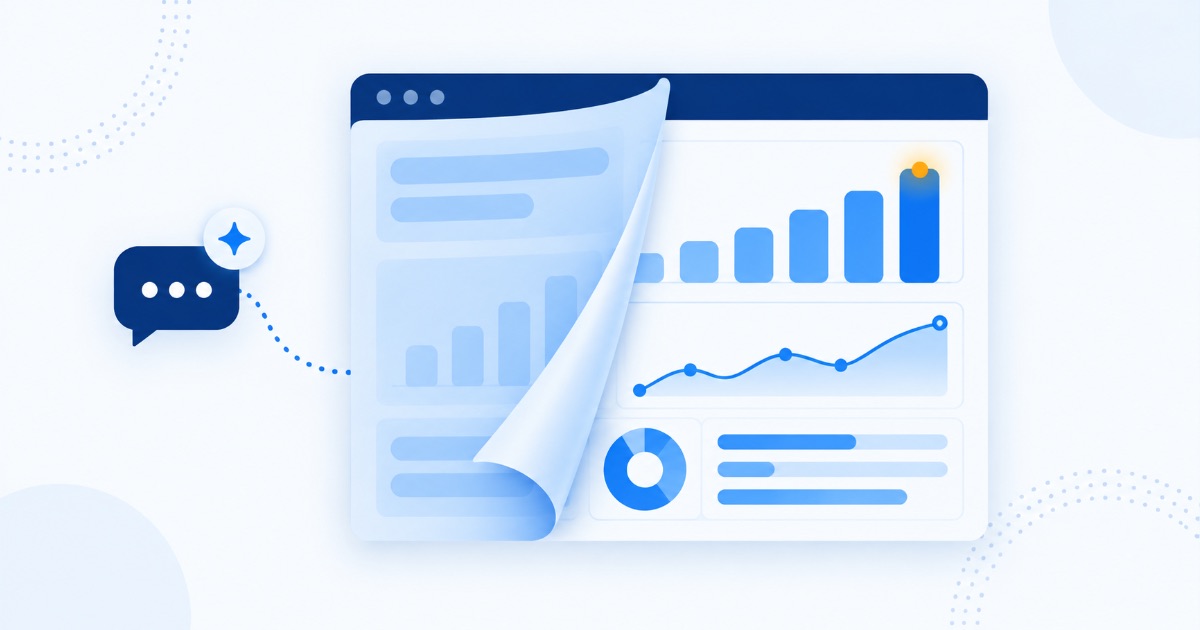
For two years the honest answer to "how do I measure my AI visibility" was some combination of guesswork, paid tools, and manually interrogating assistants. That changed quietly at the end of August 2026, when Google made its generative AI performance reporting available worldwide in Search Console. You can now see impressions from AI surfaces broken down by page, country, and date, at no cost, inside a tool most businesses already have open. It is genuinely useful and distinctly incomplete, and knowing precisely where the gaps sit matters more than the numbers themselves.
Where to find it
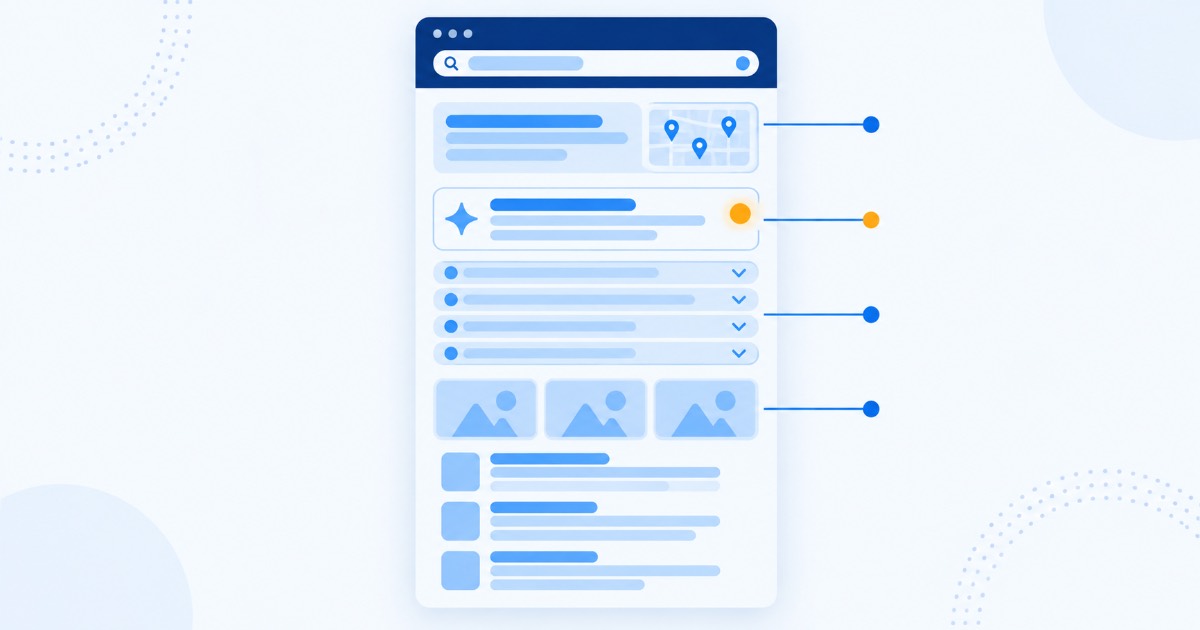
Open Search Console, go to the Performance report for Search results, and look at the search appearance and filter options. Generative AI surfaces appear there as their own category, which lets you separate that exposure from standard results rather than reading one blended total.
Two practical notes before you draw conclusions. The reporting is new, so your historical comparison window is short, and Google has been adjusting how these surfaces are reported through 2026, meaning the exact labels and breakdowns you see may differ from what a colleague sees or from what an article written last month describes. Check the report in your own account rather than trusting any description of it, including this one.
What it actually tells you
- Whether you appear at all. The most valuable signal here is binary. If your pages generate impressions in AI surfaces, the systems are surfacing you. If they generate almost none while your ordinary organic impressions look healthy, that gap is your entire AEO problem, stated in Google's own data rather than a vendor's.
- Which pages get surfaced. The page-level breakdown reveals something consistently surprising: the pages AI surfaces favour are often not the pages you optimised hardest. Clear explanatory pages tend to outperform polished commercial ones.
- Direction over time. Once you have a few months of data, the trend tells you whether your structural work is landing, which is worth far more than any single week's figure.
- Where, geographically. Country breakdowns matter for anyone serving specific markets, and they frequently expose visibility in places you were never targeting.
The four things it will not tell you
- Whether you were named. An impression means your page was shown or eligible as a source. It does not mean the answer mentioned your brand, and those are different outcomes with very different commercial value, which is the whole argument of our piece on ghost citations.
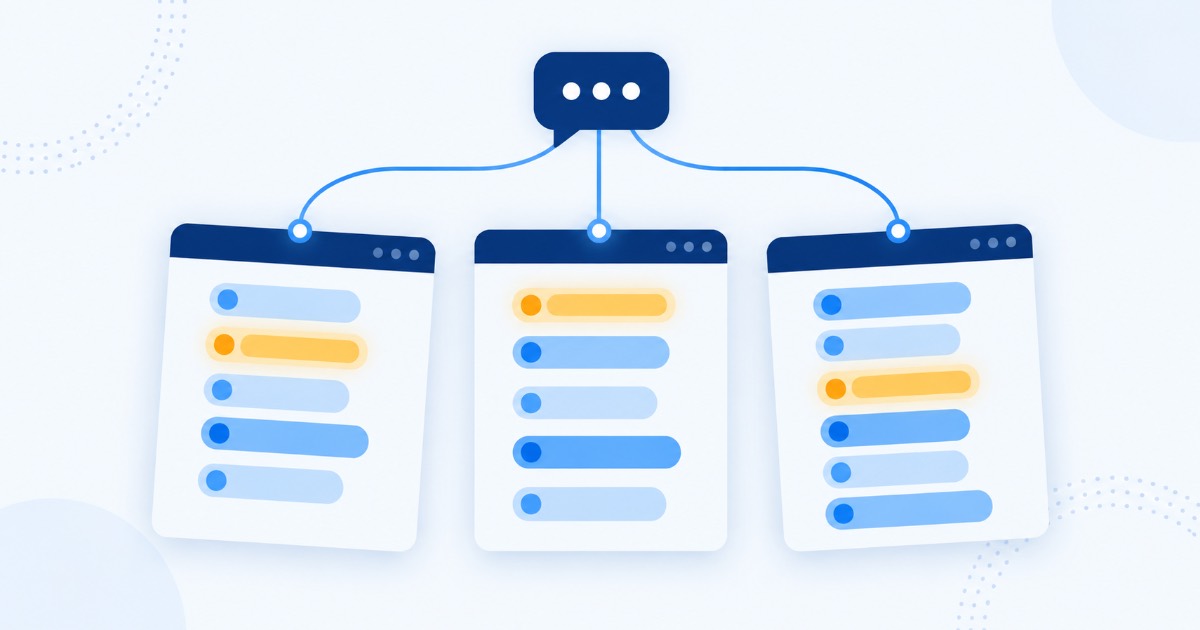
- What the user actually asked. Query data in AI contexts is limited, and the modern search box expands one typed question into several hidden ones, so the query you see is a simplification of the exchange that occurred, as covered in our piece on Google's rebuilt search box.
- Anything about other assistants. This is Google's data about Google surfaces. It says nothing about ChatGPT, Claude, or Perplexity, where your visibility can be completely different, sometimes dramatically so.
- How consistently you appear. These systems generate probabilistically, so presence varies between runs of the same question, which is why presence rate measured by hand belongs alongside this report, as explained in our piece on why AI recommendations are close to random.
How to use it this week
- Set a baseline today. Record current AI impressions by page. Whatever the number is, it becomes the comparison point for everything you do next, and without it you will be guessing in three months.
- Compare AI impressions against organic impressions, page by page. Pages strong in one and weak in the other are your clearest diagnostic. Strong organic and weak AI usually means structure and extractability; strong AI and weak organic often means a genuinely useful page that never earned authority.
- Look for impressions without clicks. That pattern is the zero-click reality appearing in your own data rather than in somebody else's statistic, and the strategic response is in our zero-click guide.
- Pair it with fifteen minutes of manual checking. The report tells you whether Google surfaces you. Only asking the assistants tells you whether they name you, and our self-test turns that into a monthly routine.
- Do not over-read week-to-week movement. New reporting plus volatile systems produces noisy short-term data, and the number of businesses about to panic over one quiet week will be considerable.
Why this matters beyond the numbers
The significance is not the report, it is what having it changes. Measurement converts a subject from a matter of opinion into a matter of evidence, and the businesses that establish a baseline now will spend next year comparing their own trend lines while competitors are still arguing about whether any of this is real.
It also ends a particular sales tactic. Anyone claiming to reveal your AI visibility can now be checked against a free first-party source, for Google surfaces at least, which is exactly the accountability we argued for in our guide to reading search statistics.
Frequently asked questions
Does this report cover AI Mode as well as AI Overviews?
Google has been extending its generative AI reporting across its AI surfaces, and the detail available has changed several times during 2026. Check the current breakdown options in your own account rather than relying on any published description, since this specific point has moved more than once.
Why are my AI impressions high but clicks almost nonexistent?
Because that is how these surfaces work. Appearing as a source inside a summarised answer frequently resolves the question without a visit. Judge it on brand presence, branded search, and direct traffic rather than on clicks alone.
Can I use this to prove AEO work is paying off?
Partially, and it is the best free evidence available for Google surfaces. Pair it with manual presence checks across the other assistants, because a client or a board will reasonably ask about ChatGPT, and this report cannot answer that question.
What if my AI impressions are effectively zero?
Then you have a specific, diagnosable problem rather than a vague worry, which is progress. Start with extractable structure and entity consistency, both covered step by step in our AEO playbook.
The bottom line
Google has handed every business a free window into whether its AI surfaces are showing your pages, and most business owners do not yet know the window exists. Open it, record a baseline this week, and treat it as one instrument among several rather than the whole dashboard, because it measures exposure on Google alone and says nothing about whether you were named or what any other assistant thinks of you. If you would like the full picture assembled properly, across Google surfaces and the major assistants, our free SEO and AEO audit does exactly that and hands you the baseline in writing.